 DAAMDEKHI

I Need to Compare Prices for Organic Milk Across Different Supermarkets
Discover how to effectively compare prices for organic milk across various supermarkets to find the best deals.
When you need to compare prices for organic milk across different supermarkets, a strategic approach can save you time and money. Understanding where to look and what factors influence cost is key to making informed purchasing decisions for your household.

Why Comparing Organic Milk Prices Matters
Comparing organic milk prices is crucial because the cost can vary significantly between retailers, even for the same brand and size. These price differences can add up over time, impacting your grocery budget. For instance, a study by Statista indicated that the average price for organic milk can fluctuate based on the type of store, with specialty stores often being more expensive than conventional supermarkets.
Beyond the base price, factors like sales, loyalty program discounts, and store-brand alternatives can further influence the final cost. Being aware of these variables allows you to maximize savings. Daamdekhi is designed to simplify this process, helping you navigate the market efficiently.
Key Factors Influencing Organic Milk Prices
Several factors contribute to the price you pay for organic milk, making a direct comparison essential. These include the brand's reputation and sourcing practices, the type of packaging (e.g., cartons vs. glass bottles), and the volume of the container. Organic certification itself adds a premium due to stricter farming standards and regulations.
Geographic location also plays a role, with regional supply and demand dynamics affecting pricing. Furthermore, the specific retailer's purchasing power and profit margins will influence their shelf price. Understanding these elements helps you appreciate why prices aren't uniform across the board.
Strategies for Effective Price Comparison
To effectively compare prices for organic milk across different supermarkets, utilize a multi-pronged strategy. Start by identifying the organic milk brands you prefer and their typical container sizes. Then, systematically check the prices at your local supermarkets, both online and in-store.
Leverage online grocery store websites and apps to view current prices and promotions. Many retailers offer digital flyers or weekly ads that highlight discounted items. For a comprehensive overview, price comparison tools like Daamdekhi can aggregate this information, saving you the effort of visiting multiple sites.
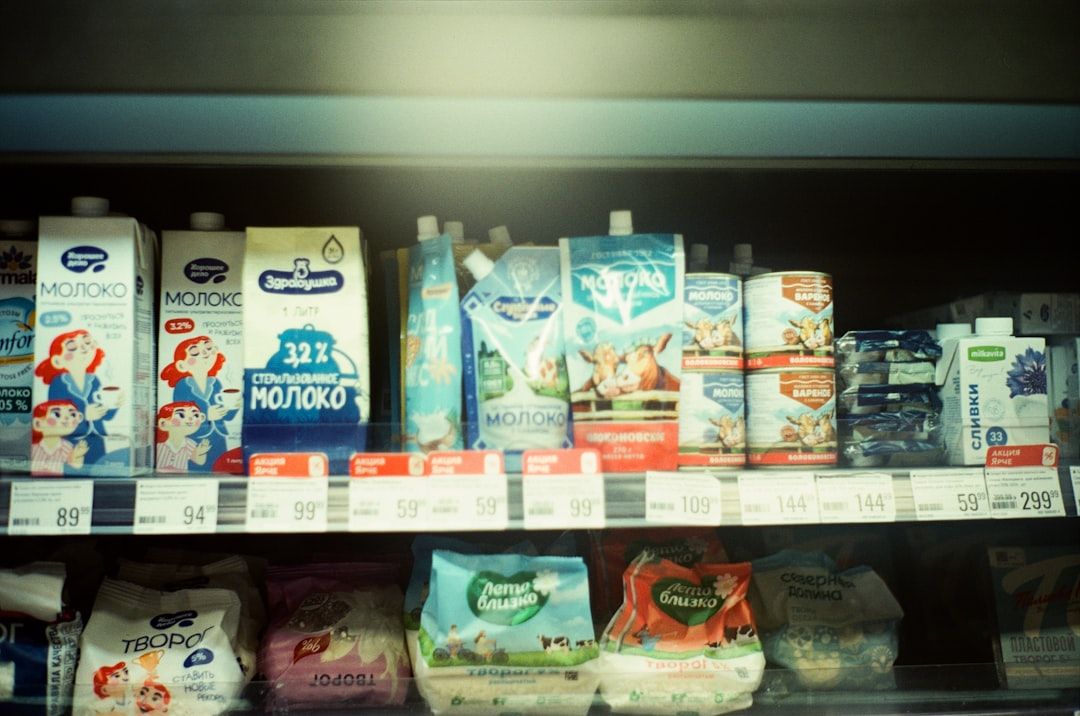
A Practical Framework for Comparing Organic Milk Costs
Here’s a practical framework to guide your organic milk price comparison: 1. List Your Options: Jot down the organic milk brands and sizes you commonly purchase. 2. Identify Retailers: Note down the supermarkets where you typically shop or are willing to visit. 3. Check Weekly Ads: Review the current sales flyers or digital ads for each retailer. 4. Use Online Tools: Employ price comparison websites or apps like Daamdekhi to see real-time pricing. 5. Calculate Unit Price: For accurate comparison, divide the total price by the volume (e.g., price per ounce or liter). 6. Consider Loyalty Programs: Factor in any savings from store loyalty cards or rewards programs. 7. Factor in Convenience: Sometimes, paying a little more for convenience at a closer store is worthwhile.
This structured approach ensures you're comparing apples to apples, or in this case, organic milk to organic milk, on a consistent basis. It moves beyond just looking at the sticker price to understand the true value.
Real-World Example: Saving on Organic Milk
Consider Sarah, who buys a gallon of a popular organic milk brand weekly. She noticed prices ranging from $6.50 at her usual supermarket to $7.20 at a specialty store. By using Daamdekhi, she discovered that a different, but equally reputable, organic milk brand was on sale for $6.20 at a larger chain supermarket across town.
Although it required a slightly longer trip, the $1.00 saving per gallon added up. Over a year, this simple price comparison saved her over $50. She also found that by checking Daamdekhi before her weekly shop, she could plan her trips around the best deals for organic milk and other essentials, making her grocery runs more efficient and cost-effective.

Frequently Asked Questions
How often should I compare organic milk prices?
It's beneficial to compare organic milk prices at least monthly, or whenever you notice a significant price jump. Regular checks, especially with tools like Daamdekhi, help you stay aware of fluctuating sales and promotions.
Are store-brand organic milks cheaper?
Often, store-brand organic milks are priced lower than national brands. This is because retailers can often produce them at a lower cost or offer them as a value alternative. However, quality and taste can vary, so it's worth trying them to see if they meet your standards.
What is the best way to find deals on organic milk?
The best way to find deals is to combine checking weekly ads, utilizing price comparison platforms like Daamdekhi, and signing up for store loyalty programs. This multi-faceted approach ensures you capture discounts from various sources.
Conclusion: Smart Shopping for Organic Milk
Effectively comparing prices for organic milk across different supermarkets is an achievable goal that leads to tangible savings. By understanding the influencing factors and employing smart comparison strategies, you can ensure you're always getting the best value for your money. Daamdekhi is here to empower your grocery shopping decisions, making it easier than ever to find exactly what you need at the best possible price.
